

Welcome to the Coconino National Forest
The Coconino National Forest is one of the most diverse forests in the country with changing landscapes and activities around every corner. Whether you're hiking the canyons and cliffs of the Mogollon Rim, skiing down Flagstaff's slopes, or mountain biking through the towering red rocks of Sedona, there's an opportunity for everyone.
Plan Your Visit
Stay a While
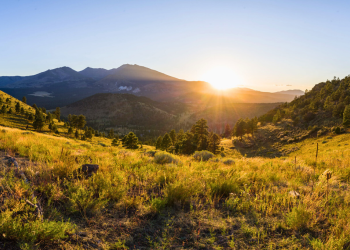
Whether you're booking in advance or planning a last-minute trip, we've got plenty of campsites to choose from.
Find Your Way
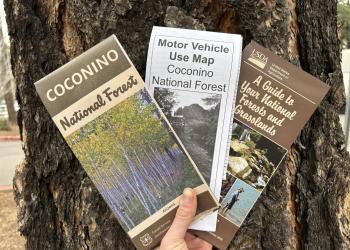
You'll want to lose yourself in the adventure, but maps and brochures will help you find your way.
Recreation Passes
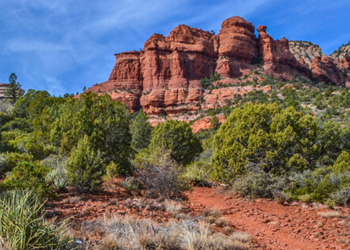
Make sure you've got the right pass in hand for your adventure.
Permits
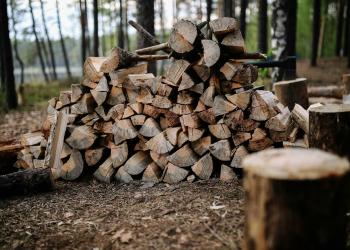
Collecting firewood, filming, getting married, holding an event, or offering a guided service on forest lands? See if your activity requires a permit.
Status of Forest Roads
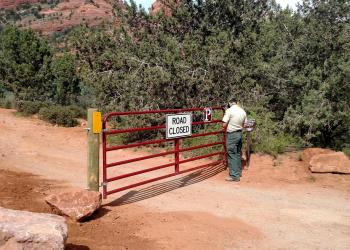
Is your destination within reach? Check the status of main forest roads to see if they are open or closed.
Proposed Changes to Recreation Fees

Read about (and voice your opinions on) proposed changes to forest recreation fees.
Updates from the Coconino
Applications for Permanent Fire Positions Now Open
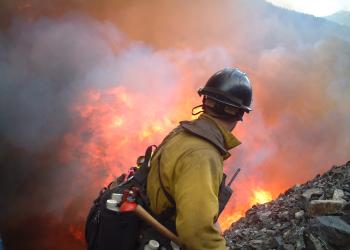
Applications are due through USAJobs by September 23. Open positions and links to apply are listed on our regional Fire Hire webpage.
Our New Website

We recently transitioned our public website to a modern web platform to better serve the public, so please be patient with us as we continue to work on this site. The Keyword Search bar (above) is an excellent resource for finding anything on this site related to the word you enter. Please send us an email using our Contact Us form if there is something you can't find!