
Welcome to Lolo National Forest
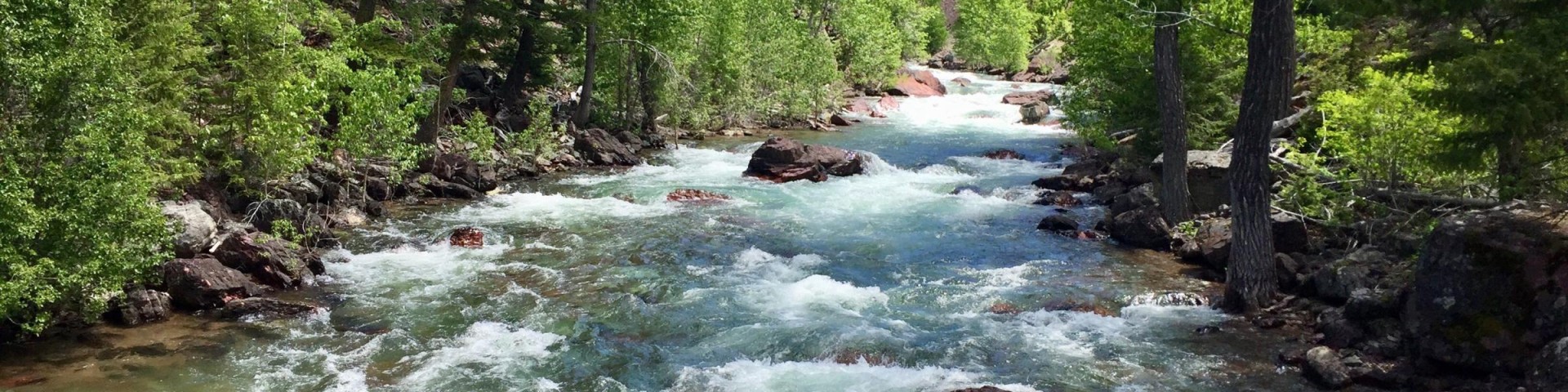
In the Rocky Mountains of western Montana lies the 2.3-million-acre Lolo National Forest. With abundant lakes, rugged Wilderness areas, wild rivers, trails, campgrounds, ski areas, and year-round beauty, the Forest is in the heart of one of America’s most recognized and visited western landscapes.
Report Storm Damage on the Lolo National Forest

A major storm in December 2025 caused widespread damage across western Montana forests. Crews have cleared many areas, but more assessment is needed as roads and trails reopen.
If you see road, trail, or other infrastructure damage while out in the Lolo National Forest, please send us an email. When possible, include the location, latitude/longitude, and a photo. Your reports help us prioritize repairs for the upcoming summer season.
Please recreate responsibly, have a backup plan, and avoid areas that feel unsafe. Contact your local Ranger District if you have questions.
Thank you for your support!
What's Happening
WAM is a wildfire risk-based strategic fuels management project designed to address objectives outlined in the Missoula County Community Wildfire Protection Plan developed through stakeholder and public engagement. WAM includes projects on the Lolo National Forest totaling 177,229 acres.
Check out the projects that we are currently analyzing or have been analyzed under the National Environmental Policy Act. Once a project has been analyzed and a decision notice has been signed by the Forest Supervisor implementation can begin.
Quick Links to Information
Land Management Plan Revision

The Lolo National Forest is in the process of Land Management Plan Revision. A Land Management Plan, commonly known as a Forest Plan, is the comprehensive overarching document that guides the management of a National Forest for approximately 15 years.
Camping and Cabins

Rent a cabin or a lookout and start to unwind. We have a variety of rental cabins from lookouts on mountain tops to historic log cabins located in beautiful canyons where blue ribbon streams flow.
Careers and Jobs

Learn more about career opportunities with the Forest Service, including positions in fire, timber, wildlife, recreation, and other fields.
Bear Country Safety

The Lolo National Forest is home to both black and grizzly bears. Learn more about recreating safely in bear country and how to properly store food and other attractants.
Permits

Many uses and opportunities on national forests are free of charge. However, some areas or activities require permits to help maintain, manage and improve the forest amenities or services that you enjoy.
Fire Information

Staying informed is crucial, as fire conditions can shift quickly due to weather and other influences. Regularly check current fire danger status, alerts, fire restrictions, and wildfire information to access the most accurate and timely fire information.