




Pacific Northwest Region

The Pacific Northwest Region is home to 16 National Forests, a National Grassland, two National Scenic Areas, two National Volcanic Monuments, and four National Recreation Areas.
We steward these lands to sustain the health, diversity, and productivity of the nation's forests and grasslands for present and future generations. We provide:
- Forest Products: We sustainably manage forests to support local economies and provide timber and other resources.
- Outdoor Recreation: We provide more than 3,000 outdoor recreation areas that welcome more than 16 million visitors annually.
- Jobs and Partnerships: We support nearly 29,000 jobs and work with hundreds of partners across the region.
- Clean Water: We contribute approximately 40% of the region’s water supply and these waters are among the coldest and highest quality in the Pacific Northwest.
- Habitat: We manage forests to provide habitat for a wide range of wildlife, plants, and aquatic species.
Find a Forest
Get a Pass
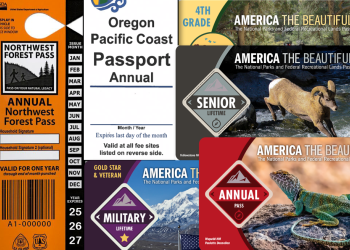
From local annual and day passes to national interagency passes, find a recreation pass that's right for you.
Plan Your Trip
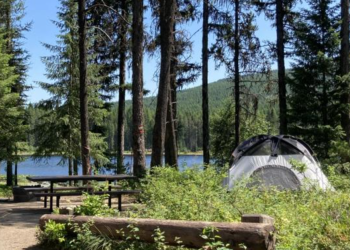
Find your next favorite campsite, trail, or day use area for your next outdoor adventure.
Now Hiring

The Forest Service is hiring permanent wildland fire positions supporting local fire operations. Announcements are open in USAJOBs.gov August 24 through Sept. 22, 2026.

National Forests and Grasslands App

The National Forests and Grasslands app is currently available for iOS- and Android-powered devices. It can be downloaded for free through the App Store and Google Play. Download maps ahead of time, get safety alerts, plan your trip and find national forest sites near you.