






Birdwatching
If you are new to birdwatching, you probably have a lot of questions -
- what do I need?
- where do I go?
- what birds do I look for?
- how do I know what I've seen or heard?
This page is a resource for beginning birders, or birders new to the Ozarks, to help them get started with birding on the Mark Twain.
What Do I Need
The bare minimum you need is:
- A good birding book or app
- Binoculars if you want a better view
- An alarm clock to wake you up to see the early birds
- Snacks and water
- A good map
What Birds Do I Look For?
What birds to look for depends on
- what you want to see
- where you are,
- what time of year it is,
- what time of day it is
Are you more interested in songbirds? Do you want to see a hawk in action? Would you prefer a quiet day sitting in a marsh watching herons fish? What types of birds you want to see will play a big role in where you go, when you go, and what time of year you go birding.
Are you near the woods? A prairie? A wet, marshy area? A lot of what you will see depends on what type of habitat you are near.
A bird that is a habitat specialist, only likes one very specific type of habitat, will only be found in that habitat. Other birds are less picky and can be found in multiple types of habitat, which increases the odds you will see them somewhere.
If you visit in the spring or fall, you are more likely to see migratory birds.
Some birds that migrate from the north may winter in Missouri, so you'll see those birds from October to June, until the northern states and Canada warm up.
Birds that do not migrate can be found most times of year, but may be less active in very cold or very hot weather.
Some birds are more active in the early morning, some in the evening, and of course owls are most active at night. Knowing when the majority of birds you want to see are active will help determine what time of day you need to be out listening and looking.
eBird

eBird is a massive database of bird information, from maps, to hotspots, to species lists.
MO-MDC Field Guide: Birds

Visit the Missouri Department of Conservation field guide for birds for Missouri specific bird information. Each page contains information what the bird looks like, habitat, preferred food, and life cycles.
How Do I Know What I've Seen or Heard?
Identifying what you've seen or heard is sometimes the hardest part.
As you learn to tell the different birds apart it will get easier, but this is where having a good book or app comes in handy. While the birds will most likely not stay put while you look them up, if you get enough of a look at them before they flitter to the next spot, it can help narrow down what you are looking at.
Sometimes the best, and quickest, way to identify a bird is it's song. And if you have a specific bird you are looking for try listening to recordings of it's song before you go out so you will recognize it more easily.
And, if you can catch a photo of the birds you see, that can help you identify them later.
Merlin

This app/website is used to identify birds by site and sound.
MO-MDC Identifying Birds

Birds are very active, so observation time can be brief. In order to look up the bird later in a field guide, the observer must try to quickly note features while the bird is in view.
Where Do I Go?
Where you go depends entirely on your own comfort level and where you are most likely to find birds.
If you want easy access with not a lot of hard hiking, stick to recreation areas and less strenuous trails. We put together a page of recreation areas and trails to get you started with some of the easier to access areas, view the "Established Birding Locations" page linked below.
If you want to pair your birdwatching with a wilderness adventure there are several options for that also, mostly in Wilderness Areas or more difficult to access areas on the forest. Check out the "Off the Beaten Path" page for those areas and how to get to them.
Always, no matter where you are, make sure you have a good map with you.
Established Birding Locations - Mark Twain

These sites were selected because they have:
- Easy to access parking
- Beginner-friendly trail conditions
- Species diversity
- Amenities such as restrooms, signage, etc.
- Some sites are ADA accessible
There are several areas on the forest that are not designated recreation areas, but also meet these criteria and have recently had restoration, prescribed fire, or other management activities that will increase your chances of seeing birds listed on that page.
Off the Beaten Path Birding - Mark Twain
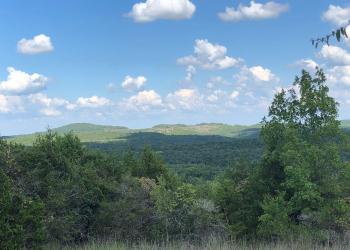
Far away from the sights and sounds of human activity you may be more likely to see rare or specialized bird species that avoid areas with a lot of human activity.
These locations have few to no amenities, trails are not marked well, and hikes into and out of areas may be more difficult.
When visiting these areas
- having a good map, GPS, and backcountry safety gear is essential.
- It is unlikely you will have cell service.
- areas with higher elevation or deeper in the wilderness will have a larger variety of birds you may not typically see
MO-MDC Bird Habitats

There are five major habitats that birds in Missouri use. Learn more about them on the Missouri Department of Conservation "Bird Habitats" page.
BirdCast

Live bird migration maps.
Missouri Birding Trail - Interactive Map
This interactive map, produced and maintained by the Missouri Department of Conservation (MDC), shows sites across the state for birdwatching.
Visit the Missouri Birding Trail page on the MDC website for more information on the map and birding trail.