






Welcome to Gifford Pinchot National Forest
Located in southwest Washington state, the Gifford Pinchot National Forest includes over 1.3 million acres of forest, wildlife habitat, watersheds and mountains including Mt. Adams and the Mount St. Helens National Volcanic Monument.







Gifford Pinchot National Forest Photos


Recreation Highlights
Visit Mount St. Helens
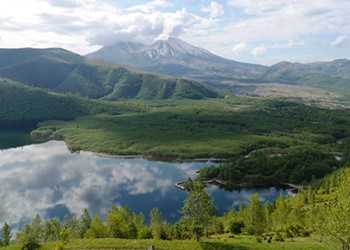
On the morning of May 18, 1980, a magnitude 5.1 earthquake triggered the collapse of the summit and north flank of Mount St. Helens and formed the largest landslide in recorded history. In 1982 Congress designated the 110,000-acre Mount St. Helens National Volcanic Monument. The following decades have offered insight into the biological recovery of ravaged landscapes.
Mountain Climbing

Road and trail conditions can change rapidly depending on the season. Make sure to learn conditions before you go and be prepared.
Lewis River Recreation Area
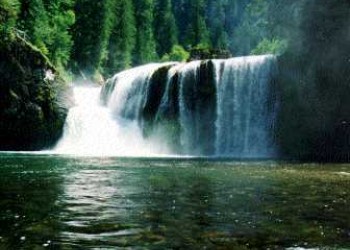
The Lewis River Recreation Area is a 10-mile corridor, situated alongside the Lewis River and Forest Road 90 within the Gifford Pinchot National Forest. It contains the Lewis River Trail and associated waterfall viewing.
Spotlights
Spirit Lake
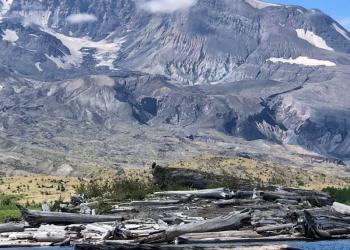
The Gifford Pinchot National Forest is responsible for operating, maintaining, and repairing the 1.6 mile Spirit Lake tunnel and the engineered channels at Castle and Coldwater Lakes. Constructed in 1985, the tunnel provides the only outflow for Spirit Lake. The Forest Service is currently developing a collaborative strategy to create more sustainable and safer options for long term management of Spirit Lake Outflow to achieve ecological, economic and public safety needs.
