

Wilderness
Wilderness areas are the most protected public lands in America. Managed with restraint, they are intended to be self-willed lands, both philosophically and practically. Due to their unique character, these truly wild spaces have become part of a cavalier American identity.
The Rogue River-Siskiyou National Forest is home to seven distinctly unique Wilderness areas, and we encourage you to learn more about each of them!
Learn more about Wilderness, as a whole, and how to explore responsibly and ethically, no matter which one you visit.
Copper Salmon Wilderness

The 13,757-acre Copper Salmon Wilderness is tucked away in the northwest corner of the Rogue River-Siskiyou National Forest, near Port Orford on the Elk River, and includes the North and South Forks of Elk River and the upper Middle Fork of Sixes River.
Grassy Knob Wilderness
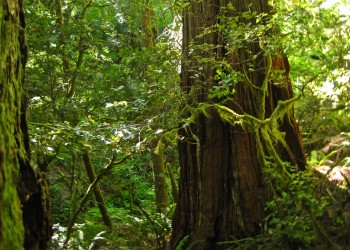
Covered in a tangled rain forest of coniferous evergreens thick with an ankle-grabbing understory, Grassy Knob Wilderness lies rugged and steep.
Red Buttes Wilderness

Red Buttes Wilderness straddles the crest of the Siskiyou Mountains, but has far more acreage in California than in Oregon. This wilderness area is the one place where the Rogue River-Siskiyou National Forest dips into neighboring California.
Siskiyou Wilderness

Siskiyou Wilderness is located in the highest portion of the Siskiyou Mountains in Northern California and is shared by three National Forests: Klamath, Six Rivers and the Rogue River-Siskiyou.
Sky Lakes Wilderness

Sky Lakes Wilderness includes three major lake basins as it stretches along the crest of the volcanic Cascade Mountains from the northern border of Crater Lake National Park to the southern border of Oregon State Highway 140: Seven Lakes, Sky Lakes, and Blue Canyon basins.
Kalmiopsis Wilderness

The Kalmiopsis Wilderness includes the headwater basin of the Chetco and North Fork Smith Rivers, and a portion of the Illinois River canyon. This is a harsh, rugged area with a beautifully unique character that resonates with anyone who ventures into its interior!
Wild Rogue Wilderness

Surrounding the Wild and Scenic Lower Rogue River, the rugged canyon landscape of the Wild Rogue Wilderness provides watershed protection for the Wild portion of the Lower Rogue River. Diverse flora and fauna species thrive among the nearly vertical cliffs, razor-sharp ridges and cascading waters of numerous creeks.
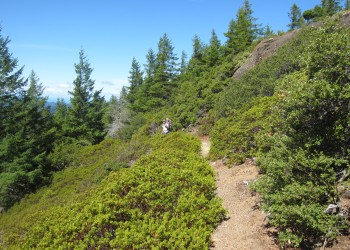
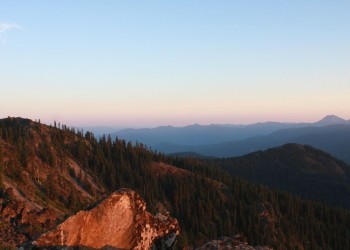
Wilderness areas on the forest vary in topography, flora and fauna, and recreation opportunities.