
Welcome to Kaibab National Forest
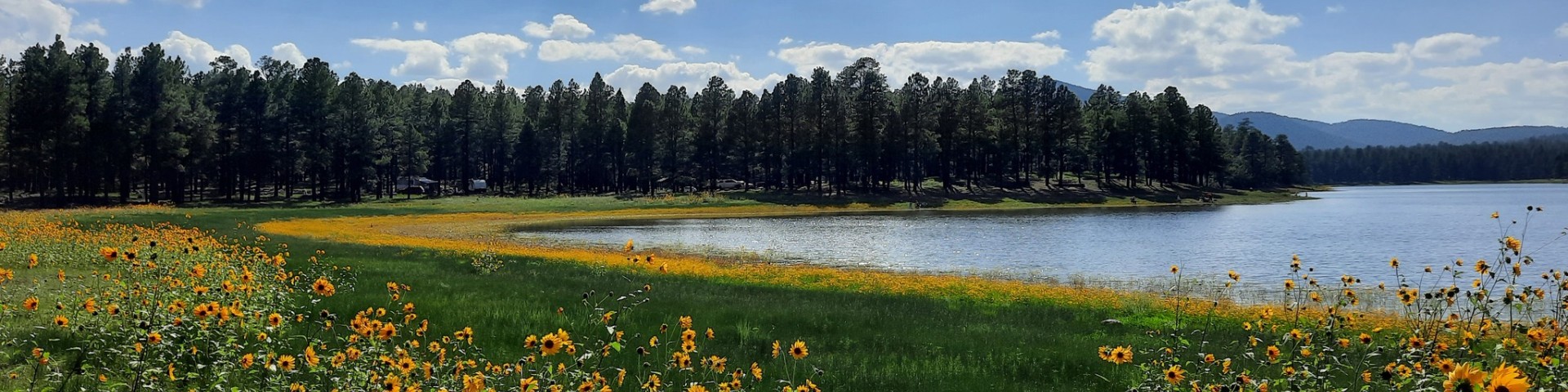
If you are anywhere near Arizona, you won't want to miss the chance to visit us as the forest surrounds the northern and southern portions of the majestic Grand Canyon. From canyons to prairies, peaks to plateaus, the Kaibab National Forest offers layers of opportunity for peace, solitude and discovery.
White Sage and Dragon Bravo fires

The White Sage and Dragon Bravo fires touched nearly 204,500 acres in total, much of which was on the North Kaibab Ranger District. Find out about the summer-long battle to suppress the fires and the incredible work being done in the post-fire environment to safely re-open the North Kaibab to the public before winter sets in.
Fee Areas on the Kaibab - 2026 Information

Opening dates and fee information for campgrounds and day use areas for the 2026 season are now available!
2026 Summer Positions Open February 20 on USAJobs.gov!

Do you love working outdoors in an iconic landscape? Do you love helping people get the most out of their visit to the great outdoors? If so, the Kaibab National Forest is looking for you!
Seasonal summer position are now available for application on the Kaibab! Jobs are currently posted on USAJobs through March 3 - apply today!
Recreation

Camping, cabins, hiking, scenic drives, fishing and snow play—the Kaibab has opportunities for everyone year round.
Find Your Way

Be prepared with maps in your format: interactive, downloadable, and print, including Motor Vehicle Use maps and travel aids.
Forest Products
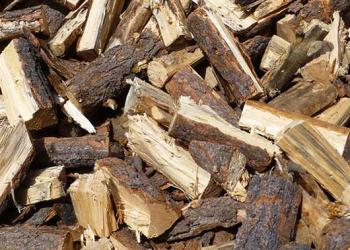
The Kaibab offers opportunities for firewood collection as well as other forest products such as corral poles, fence posts, and stays, Christmas trees, wilding transplants, pine cones and more.
Drake Pozzolan Exploration

Drake Cement, LLC has submitted a draft plan to explore pozzolan on mining claims northeast of the City of Williams near their existing pozzolan mine at Frenchy Hill. On August 18, 2025, the Kaibab National Forest received Drake’s draft Exploration Plan and will now be moving into the environmental analysis phase of the project. The public scoping period is from December 5, 2025 through January 9, 2026.