


Protecting the Forest

Turning a Profit: Making Headway Against the 7th Worst Weed in the World. Read about Southern States efforts to fight cogongrass.
Effective beginning 5/30/2025
This website, and all linked websites under the control of the agency is under review and content may change.
Native Forest Insects and Diseases

Native insects and pathogens are an important part of a healthy forest ecosystem, but when environmental and biological conditions favor their development into outbreak status they can cause significant losses to forests. Several of these insects and pathogens, such as bark beetles and root diseases, have had extensive impacts forests in western and southern forests. Forest Health Protection along with state, Federal and Tribal partners survey, monitor and manage infestations of these native pest outbreaks.
Invasive Species

An invasive species is an alien [non-native] species whose introduction does or is likely to cause economic or environmental harm or harm to human health (Executive Order 13112). Species invasions are one of the main ecological consequences of global changes in climate and land use. Most invasions over the past several centuries have involved species transported directly or indirectly by humans. Forest Health Protection will continue to work very closely with its partners to manage native and non-native pests and reduce the flow of non-native invasive forest pests into the U.S. Forest Health Protection's vision is that the Forest Service will maintain a robust program that protects the nation's forests from extraordinary levels of damage from both native and non-native invasive insects, pathogens, and plants through the continued implementation of an integrated system of prevention, eradication, management, and restoration.
Integrated Pest Management
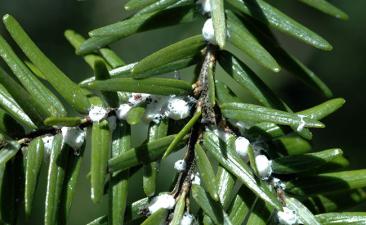
Forest Health Protection works in coordination with the USDA Office of Pest Management Policy (OPMP) and others to develop, promote, and implement integrated pest management (IPM) approaches. IPM employs a variety of chemical, cultural, mechanical, and biological techniques and tools to prevent, detect, and thwart forestry pests, such as invasive weeds, insects and pathogens.
Forest Health Monitoring
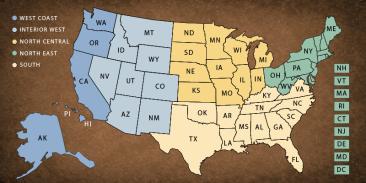
Forest Health Monitoring is a national program designed to determine the status, changes and trends in indicators of forest health on an annual basis. This program collects information from a wide variety of sources including ground surveys, aerial detection and remote sensing. Forest Health Monitoring data is utilized by researchers who use it in detailed investigations into specific issues, by managers who develop strategies to deal with forest health issues, and by the public at large in order to better understand the processes that drive these natural systems. Forest Health Monitoring provides an updated synopsis of the state of our nation's forested lands, and serves as the repository of records regarding forest condition over time.