


Recreating on National Forests and Grasslands
Find Your Opportunity
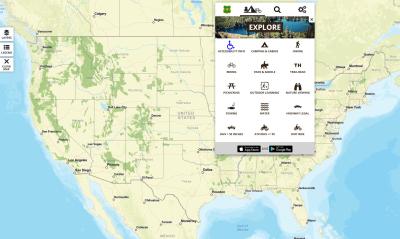
National forests and grasslands provide people from all backgrounds and abilities with opportunities for world-class recreation adventures, from serene trout fishing to scaling the tallest peaks to commanding the most challenging alpine ski run. There’s much more to explore on national forests and grasslands that you know. Our online visitor map can help get you started or remind you of what you are missing.
We Can Help You Prepare

Recreating outdoors carries a lot of responsibility, most importantly the safety of yourself and of those around you. When properly prepared, recreationists can experience the best nature has to offer. Our Know Before You Go lists offer a variety of tips and tricks to help you enjoy your adventures.
Recreation Passes, Permits

Recreating on national forests and grasslands is a bargain with more than 95 percent of our lands fee-free. The suite of annual and lifetime America the Beautiful National Parks and Federal Recreational Lands Passes are available for use on federal recreational lands. The proceeds are used to enhance visitor recreation services. See Passes and Permits.
Accessible Recreation

Our accessibility program aims to welcome people of all abilities. Our goal is to maximize the accessibility of outdoor recreation areas while protecting the unique characteristics of the natural settings. Our guidelines include standards for campgrounds, picnic areas, viewing overlooks, swimming beaches and the pathways that connect the facilities within those recreation areas.
Trails
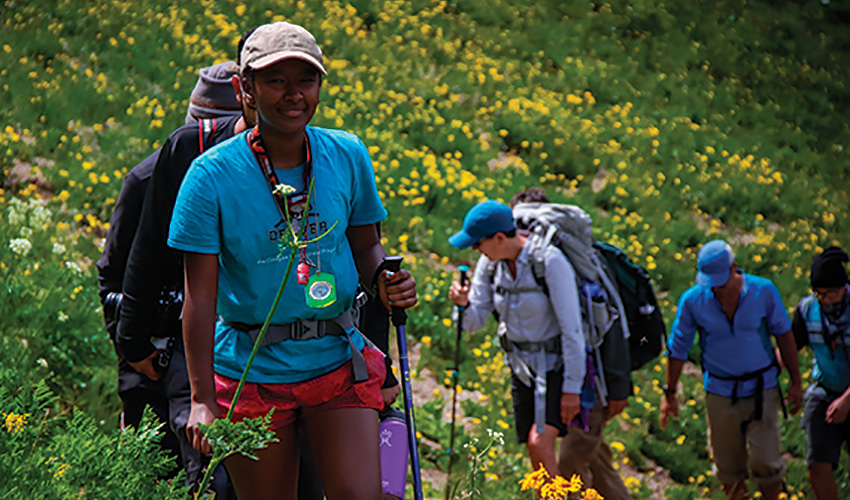
The National Forest trail system includes over 165,000 miles of trails for the public to explore and enjoy. These routes connect visitors with landscapes, cultural sites, and recreation opportunities in nearly every state. Many miles are designated as national scenic, historic, and recreation trails such as the 2,600-mile Pacific Crest National Scenic Trail. Established by the national Trails System Act of 1968, this network offers a wide range of experiences- from ½-day to month-long adventures.
Wild, Scenic Rivers
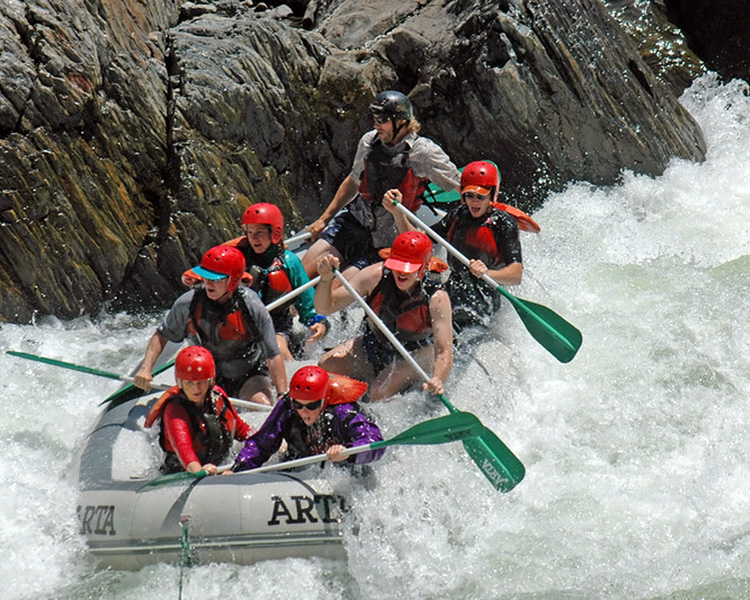
We protect more than 13,400 miles of wild and scenic rivers and streams, waters given a special designation by the Wild and Scenic River Act. Wild and scenic rivers are for your pleasure, enjoyment, and stewardship. These rivers are important for countless reasons, but many visitors are interested in the world class recreational adventure.
Untamed Wilderness

The vast network 803 wilderness areas covering 111.7 million acres of the nation’s vast wilderness system is larger than the state of California. Wilderness is defined as “an area where the earth and its community of life are untrammeled by man, where man himself is a visitor who does not remain.” One can truly experience the outdoors in its rarest form, far from what every day life has to offer.