


Southern Area incident managers prepare for more complex environments
TENNESSEE—The importance of incident management teams nationwide has grown significantly in the past decade. These teams are tasked with directing response and recovery during and after emergency incidents such as wildfires, hurricanes and floods.
Nearly 500 responders, representing more than 20 federal, tribal and state agencies across the South, gathered in Nashville, Tennessee, in February to focus on enhanced effectiveness at the 2024 Southern Area Incident Management Conference.
These teams provide crucial command infrastructure to manage the operational, logistical, informational, planning, fiscal, community, political and safety issues associated with complex incidents.
"The meeting was a great success," said Mike Davis with the Southern Area Red Team. "By coming together as Southern Area teams, we were able to build on each other's strengths and learn from one another, which will allow us to better serve the public and other agencies and cooperators in times of crisis."
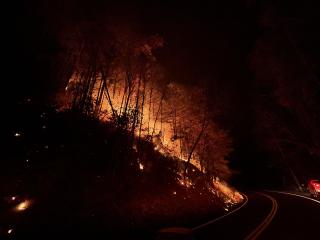
While much of the West experienced a below average number of wildfires in 2023, the Southern Area had a very active fire year. The area had nearly half of the large fires in the nation in 2023 and reported nearly 20,000 total wildfires, with nearly a half million acres burned.
Thousands of Southern Area responders were mobilized. Teams supported large fires from Louisiana to North Carolina and even sent resources to Canada to assist with their historic wildfire outbreak. All this is at a time when so many teams are in the full transition stage to the complex incident management teams and roles.
“The complexity and challenges our teams face every year show how the Southern Region is directly involved and is supporting the National Wildfire Crisis Strategy,” said Ken Arney, regional forester for the Southern Region. “The Southern Region supports the strategy through leadership in prescribed fire training and capacity, leadership in restoring landscapes and leadership in relationships.”
A common goal remains in continuing to sustain and build on the outstanding fire culture in the South in a way that aligns with the Forest Service’s Wildfire Crisis Strategy, added Arney. The strategy is a national initiative addressing the dire threats in places where wildfire poses the most immediate threats to communities. Many of those examples exist in the Southern Region.
Davis said the meeting helps focus the teams on preparing for the upcoming season and adapting to the transition to more complex incident management.
