

Welcome to the Dakota Prairie Grasslands
The Dakota Prairie Grasslands are a vast, diverse landscape encompassing four national grasslands in North and South Dakota. These grasslands offer a wide range of recreation, from hiking and biking to wildlife viewing and historical exploration. Rolling hills, prairie ecosystems, and unique geological features like badlands and buttes inspire awe and imagination. Welcome to your new home on the rangeland.
DPG Website Directory of Webpages

Explore the new DPG Website Directory of Webpages—a single, easy-to-use page that brings together all content from across our site. Because some webpages don’t appear in the main menu headings above, this directory makes it much easier to find what you’re looking for. Check it out, and consider bookmarking it for quick access.
Explore the Opportunities

Discover all the ways you can explore the Dakota Prairie Grasslands. From camping and hiking to biking, running, horseback riding, and sightseeing, this landscape offers unforgettable experiences for every kind of adventurer. With stunning views, abundant wildlife, and a rich history stretching from prehistoric times to today, there’s always something new to discover.
Ready to plan your visit? Explore our Recreation webpage to find inspiration and map out your next adventure!
There’s something for everyone—come explore and plan your next adventure!
Map It Out
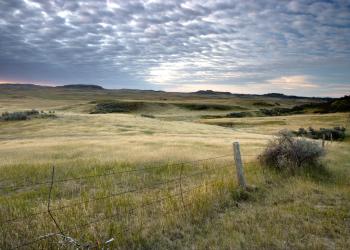
Where will your next Grassland adventure take you?
Before you head out, visit our helpful Visitor Maps and Guides webpage — your one-stop resource for planning a great trip.
You’ll find links to digital and interactive Forest Service maps, printable map guides, and a variety of downloadable publications, and details about printed area maps to help you plan your travel and recreation routes with confidence.
When in doubt, map it out.
Fire Information
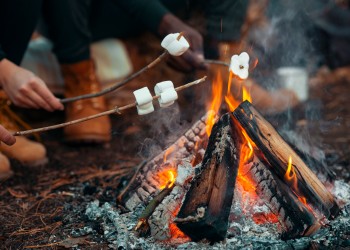
Before you head out to the grasslands, take a moment to visit our Fire webpage. It’s the best way to ensure a safe and well‑prepared trip.
Explore key resources, including:
• Safety & Updates: Real‑time fire conditions and alerts
• Restrictions: Current burn bans and area closures
• Management: Details on fuels management and prevention efforts
• Campfires: Clear guidance on campfire safety expectations
Start your visit informed and ready—know before you go!
National Park Passes

Interagency Passes, or "America the Beautiful" national park passes, provide access to and discounts at over 2,000 federal recreation areas managed by six agencies, including the National Park Service, Forest Service, and others. Passes are available for purchase at each Dakota Prairie Grasslands office location or can be ordered online at the USGS Store.
Pick a Pass, then Pick a Place.
Projects - Stay Informed

You’re invited to explore the Dakota Prairie Grasslands (DPG) Projects page to learn more about the many initiatives we undertake on public lands. Discover current and upcoming projects and stay informed about NEPA (National Environmental Policy Act) activities that may interest you.
To visit the Projects page or to subscribe for email updates on new and upcoming NEPA projects, simply click the “View Projects” button below:
Access Management in the Little Missouri National Grassland
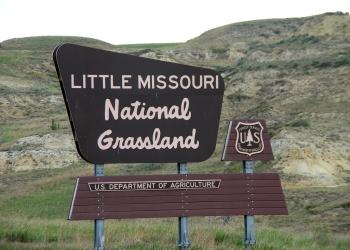
The Little Missouri National Grassland (LMNG) Access Management project is a collaborative process that emphasizes coordination with state, local, and tribal governments and includes public involvement to designate motorized use on National Forest System Roads, trails, and areas by type of motor vehicle and time of year.
North Plains Connector Project

The North Plains Connector project is a 400-mile-long high-voltage direct current power line proposed to start in eastern Montana and end in central North Dakota, which crosses approximately 10 miles of the Dakota Prairie Grasslands southwest of Dickinson, ND.
DPG Offices

For a full list of our offices and their contact information, please visit our webpage. Supervisor’s Office and District Ranger offices are open Monday through Friday, 8:00 AM to 4:30 PM (excluding federal holidays).
DPG Facebook

Shaped by sweeping prairies, colorful terrain, and thriving wildlife, the Dakota Prairie Grasslands are a true plains treasure. Join us on Facebook to discover more stories and moments from this remarkable landscape.
DPG Twitter/X

Discover the rugged badlands, open prairies, and abundant wildlife of the Dakota Prairie Grasslands. Follow us on Twitter/X for quick highlights from around the grasslands.