





Plants
The plant life of the Dakota Prairie Grasslands supports a rich ecosystem dominated by native grasses and forbs. Some regions contain woody plants, such as trees and shrubs. The growing season here extends from April to October, offering a chance to observe the prairie’s diversity. Before you go, download the Plant and Wildlife Checklist to help keep track of the flora and fauna you may spot in the grasslands.
Shortgrass Prairie
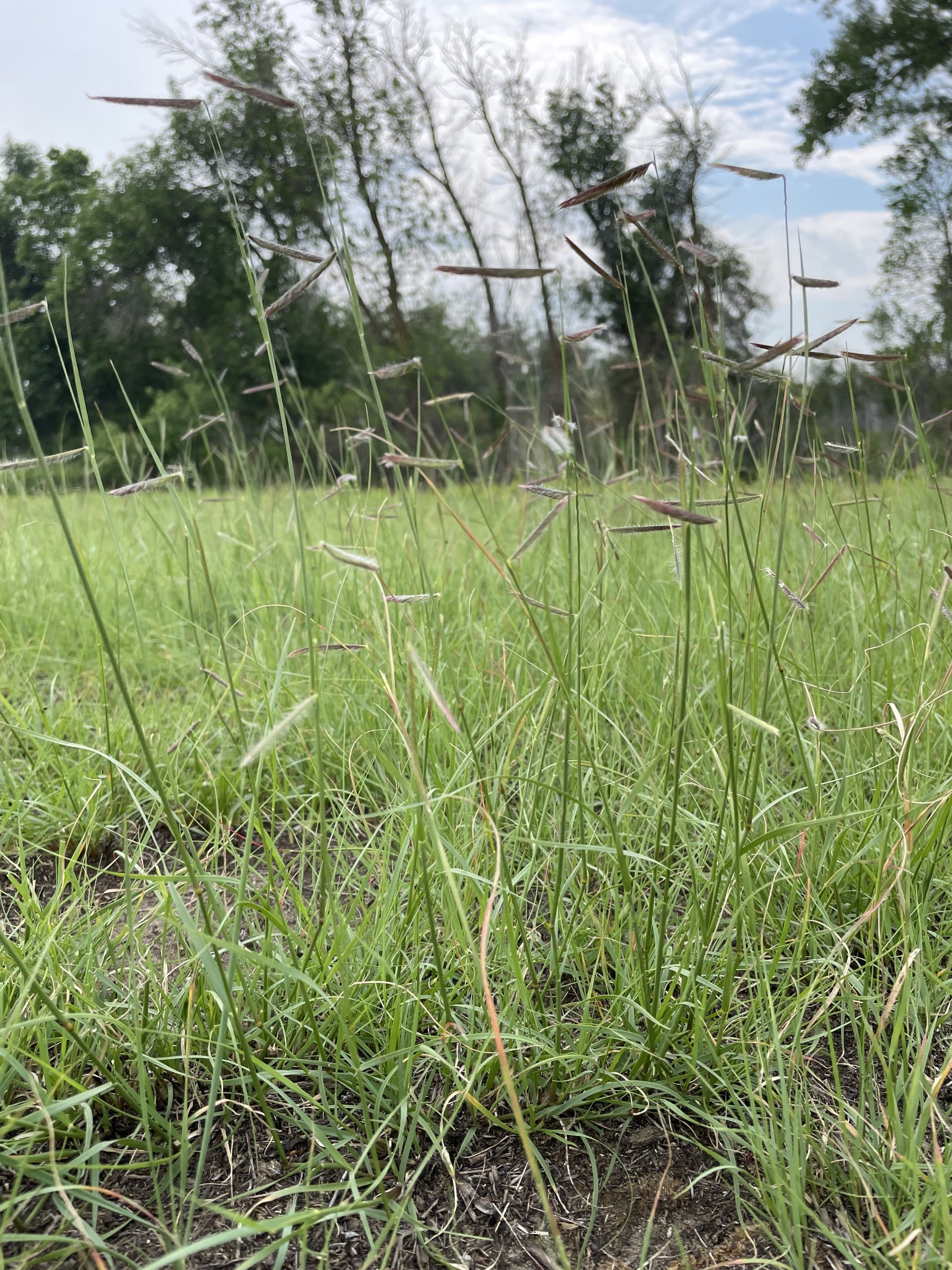
Figure 1. Blue Grama (Bouteloua gracilis)
A native, warm-season, short grass known for its fine, blue-gray foliage and distinctive, curved seed heads that resemble eyebrows, making it drought-tolerant. It's a dominant species in the shortgrass prairie ecosystems of North America.
Short grasses predominantly grow in the western, unglaciated regions of North Dakota, often on rolling plains with buttes or badlands, such as those in the Little Missouri National Grasslands. The shortgrass prairie features a semi-arid climate, short- to mid-height grasses, and forbs (flowering plants) adapted to limited moisture.
Dominant grasses include blue grama (Figure 1), buffalo grass, and threadleaf sedge. These species also grow in the mixed prairies of the National Grasslands along the Grand River, Cedar River, and Little Missouri.
Shortgrass prairie is an essential habitat for many animals. Prairie dogs and pronghorn depend on short grasses for food, directly linking plant abundance to herbivore survival. Birds such as the Western meadowlark and burrowing owl use shortgrass areas to nest and search for insects, demonstrating their reliance on the structure and resources of the grassland. Predators in the prairie, including raptors and mammals, benefit by hunting the herbivores that depend on these grasses, further connecting native plants to the entire ecosystem.
Tall Grass Prairies

Figure 2. Big Bluestem (Andropogon gerardii).
A tall, warm-season grass known for its blue-green foliage in the spring and summer, which turns reddish-bronze in the fall. The grass has a distinctive flower head that resembles a turkey's foot.
Tallgrass prairie contains a diverse ecosystem dominated by tall native grasses and abundant forbs. This grassland has flat or gently rolling terrain, fertile soils, and moderate precipitation. Tallgrass prairie soils are deep, dark, and contain thick layers of organic matter from the decay of deep-rooted grasses.
Dominant grasses include Big Bluestem (Figure 2), Little Bluestem, Indiangrass, Switchgrass, Prairie Cordgrass, and Side-oats grama. Large grazers such as deer feed on these grasses. Insects and grassland birds, like the greater prairie chicken, rely on native forbs and grasses for food, cover, and nesting sites among dense tallgrasses.
Sheyenne National Grassland is the only National Grassland in the United States within the tallgrass prairie ecosystem. Due to fertile soil, most of the tallgrass prairies were converted to agriculture; today, less than 4% of the original tallgrass prairies remain.
Mixed-grass Prairie

Figure 3. Needleleaf Sedge (Carex duriuscula)
A perennial, grass-like plant with slender, three-sided stems and needle-like leaves that grow up to two to eight inches tall, often found in prairies, rock outcrops, and sandy riverbanks.
Mixed-grass prairie consists of a blend of tall, mid, and short grasses along with a wide range of forbs. Healthy mixed-grass prairie soil is both fertile and resistant to erosion due to the robust roots of prairie grasses.
Prevalent grasses include Western Wheatgrass, Needle-and-thread, Blue grama, Little Bluestem, and Needleleaf sedge (Figure 3). Mixed-grass prairies support diverse wildlife: mule deer feed on grasses and forbs, coyotes hunt small mammals, and sharp-tailed grouse use the grass structure for cover, displays, and nesting.
Mixed-grass prairie is found in central and western North Dakota and South Dakota. It forms a boundary where species shift between tall- and short-grass prairies. The National Grasslands, including the Grand River, Cedar River, Sheyenne, and Little Missouri, all contain mixed-grass prairie.
Warm-season Grasses

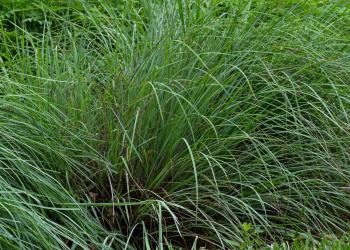
Figure 4. Switchgrass (Panicum virgatum).
A tall, clump-forming, warm-season perennial grass that grows three to seven feet tall, with finely textured flower panicles, which can be reddish-purple and turn golden in the fall.
Warm-season grasses are essential to prairie ecosystems. These grasses thrive in the heat of early to late summer and are highly adapted to the hot, dry climate of the Great Plains. Many grow in clumps, providing open spaces for wildlife movement and ample overhead cover.
Examples of common warm-season grasses on the Dakota Prairie Grasslands include switchgrass (Figure 4), Indiangrass, big bluestem, little bluestem, and blue grama.
Cool-season Grasses
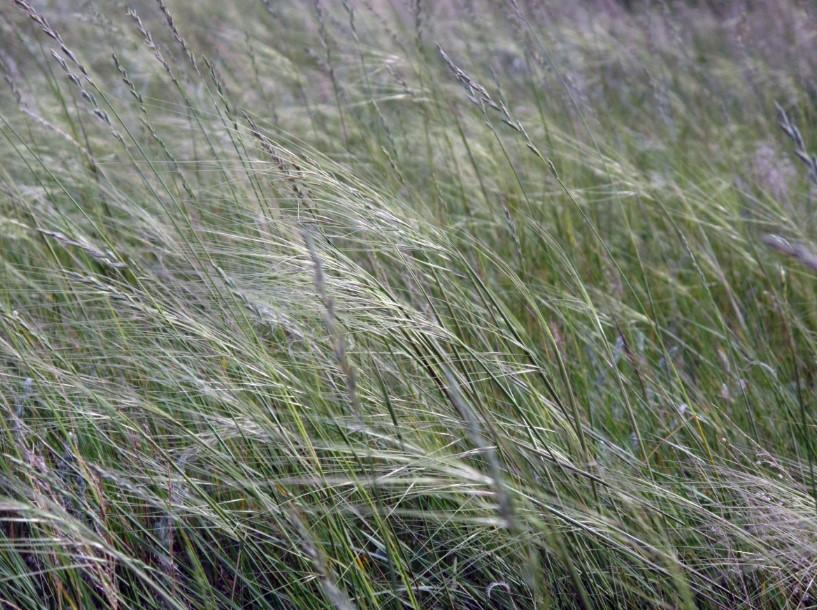
Figure 5. Needle-and-Thread Grass (Hesperostipa comata).
This native cool-season perennial bunch grass is characterized by its long, spiraling, hairy awns that extend from the tops of its seed heads (needles) and grows to a height of 1 to 4 feet.
Cool-season grasses flourish during spring and fall, when temperatures are lower and moisture is higher. They adjust well to regional temperature swings and become dormant in summer’s heat and drought, resuming growth in fall. These grasses grow in soils ranging from shallow to deep and from coarse to fine textures, as long as drainage is moderate to good.
Examples of cool-season grasses include western wheatgrass (the state grass of both Dakotas), green needlegrass, and needle-and-thread grass (Figure 5).
Gallery of Grasses in the Grasslands
Click an image to view the photo gallery in full-screen size and read the descriptive captions.




Wildflowers in the Grasslands
The prairie ecosystem contains a wide variety of wildflowers (forbs) that appeal to flower lovers and attract numerous pollinators. Wild prairie rose (North Dakota state flower), American Pasque flower (South Dakota state flower), goldenrods, black-eyed Susan, Western prairie fringed orchid, and many other native species grow in the Dakota Prairie Grasslands.
Click an image to view the photo gallery in full-screen size and read descriptive captions.


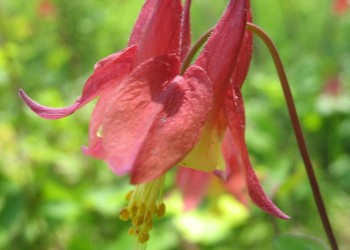
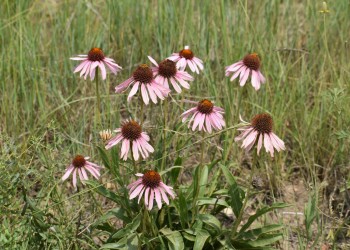

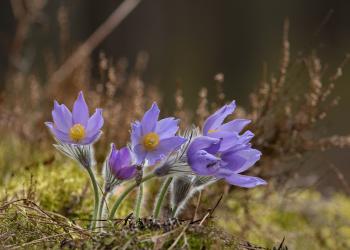


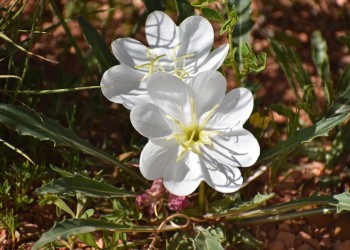

The Western Prairie Fringed Orchid

Figure 6. The Western Prairie Fringed Orchid is primarily pollinated by sphinx moths, attracted by its strong, fragrant scent and nectar in a long spur. When moths reach for the nectar, they transfer pollen from flower to flower and support the orchid’s reproduction.
The Western Prairie Fringed Orchid (Platanthera praeclara) (Figure 6) stands out with large, creamy white blossoms forming an open, spike-like cluster on a single, smooth stem with alternate leaves. Its lower petals are distinctly fringed. The plant grows 15 to 33 inches tall from a tuberous root and can produce more than two dozen flowers. Appearing in May and blooming in July, it needs direct sunlight and grows in moist tallgrass prairies and sedge meadows.
At night, large sphinx moths pollinate their fragrant flowers. A video of the sphinx moth pollinating the orchid is available here.
The western prairie fringed orchid is federally protected as a threatened species. Please do not pick these flowers. One of the largest populations is in the Sheyenne National Grassland, visible along ND Highway 27 in early July.
Woody Plants in the Grasslands
Various Trees and Shrubs
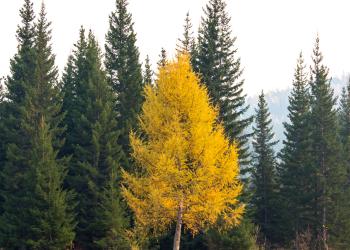
Woody plants, including trees and shrubs, are less common than grasses and forbs in the Dakota Prairie Grasslands but occur along riverbanks, in protected spots, and where prairie meets woodland.
Click an image to view the photo gallery in full-screen size and read descriptive captions.



Explore More
Exotic and Invasive Species

Exotic species, also called non-native or non-indigenous species, are organisms introduced outside their natural range that harm the economy, environment, or human health and disrupt local grasslands.
Partners and Volunteers Help Orchid Survey Blossom

The Dakota Prairie Grasslands conducts surveys to monitor the Western Fringed Prairie Orchid population across the Sheyenne National Grassland.