




Sheyenne National Grassland
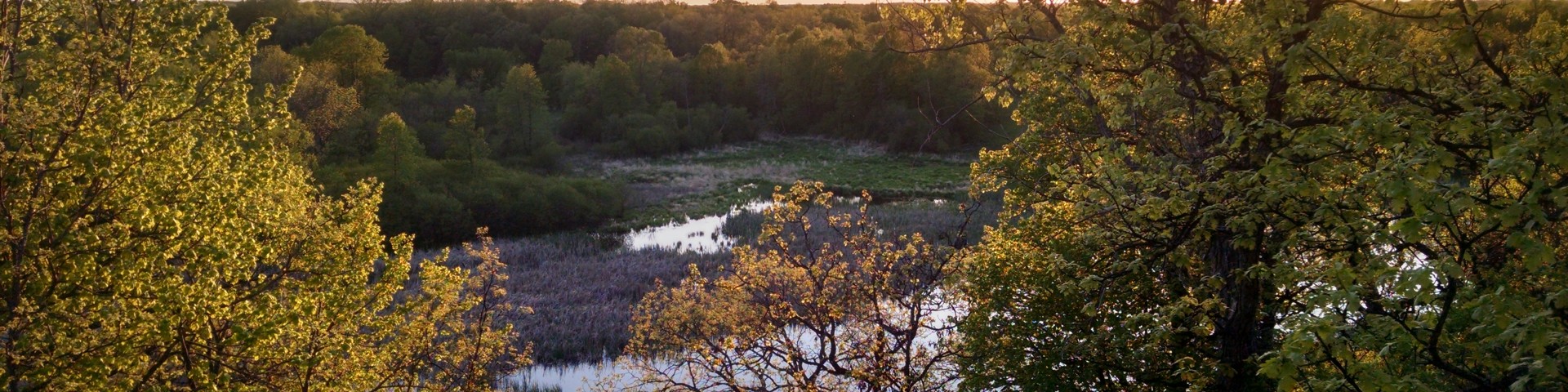
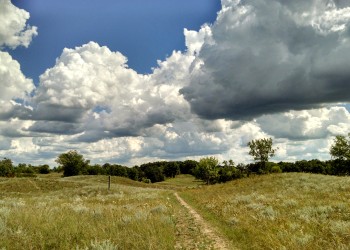
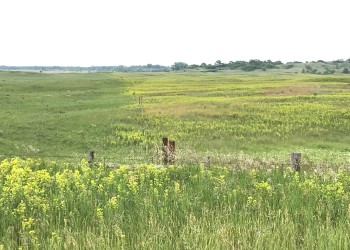
The Sheyenne National Grassland is located in eastern Ransom and western Richland counties, about 12 miles east of Lisbon in southeastern North Dakota. It comprises 70,180 acres of public land and 64,769 acres of privately owned land. The Grassland is characterized by sandy soils, originally deposited as the delta of an ancient river as it emptied into glacial Lake Agassiz. Over time, wind and rain have shaped the topography into a unique landscape ranging from flat deltaic plains to choppy sand dunes.
The Sheyenne is the only National Grassland in the tallgrass prairie region in the nation and provides habitat for greater prairie chickens in North Dakota, and several other sensitive species, such as the Dakota skipper and Regal Fritillary butterflies. Learn more about these creatures and more on the Animals page.
It also contains one of the largest populations of the Western Prairie Fringed Orchid, currently listed on the Threatened Species by the U.S. Fish and Wildlife Service. Other unique plants found on the Grassland include other orchids and ferns. Learn more about grassland flora on the Plants page.
Some points of interest to visit while on the Grassland include Iron Springs Creek, the Horseshoe Hills, Old Bridges, Owego Pioneer Cemetery, and an Old Fire Lookout Tower. It is also the one end of the North Country National Scenic Trail (NCNST), the longest continuous footpath in the country. If you're planning to stay a bit more local, check out the map for the North Country and Oak Leaf Trails.
While there are no designated fishing areas directly on the Sheyenne National Grassland (SNG), several locations offer access to rivers and ponds. In the Sheyenne River that flows through the SNG, fisherman can catch game fish such as northern pike, walleye, channel catfish, and yellow perch.
The Sheyenne River has four semi-primitive water trail access sites, which are accessible by motor vehicle, and two locations (Brome Field and East River) have picnic tables and bike racks. Water access is limited to hand-launch only within the Sheyenne National Grassland Boundary. Small motors are allowed on the river. Please see the Sheyenne River Water Trail Brochure and Map for specific details.
Mirror Pool - Wildlife Management Area (WMA), managed by North Dakota Game and Fish (NDGF), provides water trail access site within the Sheyenne National Grassland boundary. Please follow all NDGF regulations for use within the Mirror Pool WMA.
The Forest Service administers the Grand River National Grassland as part of the Dakota Prairie Grasslands from the Supervisor's Office in Bismarck, North Dakota. The local Sheyenne Ranger District Office is located in Lisbon, North Dakota.
Contact the local Ranger District Office for more information.
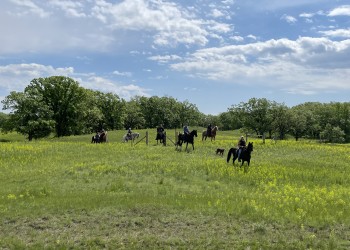
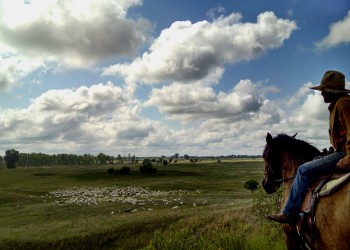
Here are a few images of animals and activities taken in the Sheyenne National Grassland.
Click an image to view the photo gallery in full-screen size and read the descriptive captions.


Passes & Permits
Senior Annual and Lifetime, Access, and Military Interagency Pass holders receive a 50% discount on each campsite per night. Visit the Passes page for more information about Interagency Passes.
Stay limit of 14 consecutive days.
Recreation Sites
Denbigh Experimental Forest


Hankinson Hills Campground

Jorgen’s Hollow Campground