





Welcome to Mt. Hood National Forest
The Mt. Hood National Forest encompasses 1.1 million acres. There are four ranger districts on the Forest that include a wide variety of ecosystems centered around Mt. Hood, the tallest mountain in Oregon: Barlow, Clackamas River, Hood River, and Zigzag Ranger Districts. The Forest has about 80 campgrounds, 20 sno-parks, and several commercial ski resorts including the iconic Timberline Lodge, a National Historic Landmark. Approximately one-third of the Forest is designated wilderness. The Forest also provides about one-third of the state's drinking and agricultural irrigation water.
Fire restrictions in effect!

Campfires prohibited on Mt. Hood National Forest; portable cooking stoves and propane firepits still allowed. Find out more info before heading out to the forest.
Plan Your Visit
Lakes & Rivers on Mt. Hood

Mt. Hood has dozens of lakes, streams, and creeks which provide habitat to fish & other aquatic species, drinking water to wildlife & ~1/3 of Oregonians, irrigation water for crops, hydropower for neighboring homes. Plus, they're a great place to get your feet wet on a nice summer day.
Discover some of the water activities on the Forest!
Firewood
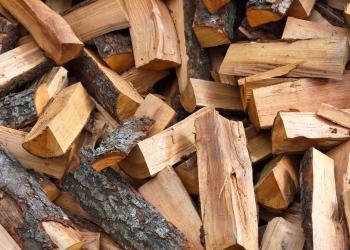
Personal use firewood permits are now available for the season on Mt. Hood National Forest through November 30.
All woodcutters must obtain a firewood permit to cut and haul firewood from the Forest. Permits are available at a district office or by submitting a firewood permit application.
Firearm Use

Target shooting is allowed on the national forest when done safely and with respect to the resources and public land. It is your responsibility to know all firearm regulations.
National Forests and Grasslands App

The National Forests and Grasslands app is currently available for iOS- and Android-powered devices. It can be downloaded for free through the App Store and Google Play. Download maps ahead of time, get safety alerts, plan your trip and find national forest sites near you.
Northwest Forest Plan & Amendment
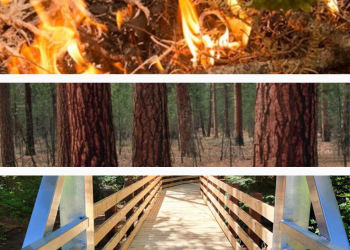
The Northwest Forest Plan covers 24.5 million acres of federally managed lands in California, Oregon, and Washington. It was established in 1994 to address threats to threatened and endangered species while also contributing to social and economic sustainability in the region. Over 30 years later, the Northwest Forest Plan needs to be updated to accommodate changed ecological and social conditions.