





Dispersed Camping in the Grasslands
Dispersed camping in the Dakota Prairie Grasslands (DPG) is free and allowed outside developed campgrounds. This is a primitive experience—no toilets, water, picnic tables, or trash services are provided. Come prepared and enjoy the wide-open spaces, big skies, and tranquility of the grasslands. Follow these guidelines to protect the land and ensure a safe, enjoyable visit.

Figure 1. An example of a dispersed camper parked on a slope with low grass.
Campsite Location
- You may camp almost anywhere on the grasslands where camping is not otherwise restricted.
- Motorized vehicles may leave designated Forest Service roads by up to 300 feet to access campsites. Further travel must be on foot or by non-motorized means.
- Do not create new roads or drive on sensitive vegetation.
- Avoid driving on wet or soft ground to prevent damage to the prairie habitat. Never park or drive on tall, dry grass, as hot vehicle parts can ignite wildfires (see Figure 1).
- Camp at least 100–200 feet away from water sources (lakes, streams) to prevent contamination.
- Avoid camping in active livestock grazing allotments, especially near range improvements such as water troughs or corrals. Stay clear of water tanks, wells, and other livestock infrastructure to prevent interference with permitted operations.
- For your safety, do not enter or approach any well site—whether fenced or unfenced—even if it appears quiet or inactive. These areas may contain hazardous materials, including hydrogen sulfide gas (which can be lethal), heavy machinery, pressurized equipment, and other hidden dangers that pose serious health and safety risks.
Stay Limits and Group Size
Campers may use dispersed camping for up to 14 days within any 30‑day period. Once the 14‑day limit is reached, they must move to a completely different location. Groups of 75+ people require a special use permit. Visit the Permits webpage or contact the local Ranger District Office.
Vehicle Usage
- Drive off designated Forest Service roads only when necessary for dispersed camping, and for no more than 300 feet, to help protect natural resources.
- Set up campsites within 150–300 feet of designated roads to protect natural resources.
- Always use the same route to and from your campsite to prevent creating new tracks. Follow the principle: “One track in, one track out," to help preserve habitats.
- Avoid driving on wet or soft ground, or through tall, dry grass, to prevent habitat damage and reduce the risk of wildfires.
- Follow the Motor Vehicle Use Map (MVUM) requirements for each grassland. Maps are available on the Visitor Maps and Guides page.
- Visit the Travel and Vehicle Safety in the Grasslands page for additional guidance.

Figure 2. An Area and Road Closed sign posted on a fence in a grassland field indicates a temporary access closure to protect a sensitive habitat.
Area Closures & Restrictions
Dispersed camping is generally allowed, but some areas may be temporarily closed for habitat protection, safety, special events, or land management projects (Figure 2).
Some restricted areas may not have signs posted; therefore, please check the Alerts section for the most up‑to‑date area conditions and restriction orders, or contact the local Ranger District Office.

Figure 3. An illustration of a campfire in a fire ring made from stones and rocks.
Fire Safety and Restrictions
Here are a few quick tips to help you follow fire safety and current restrictions.
- Always check for fire restrictions or burn bans before starting a campfire (see the Alerts page).
- Use existing fire rings when possible (Figure 3). Keep fires small, never leave them alone.
- Use the drown, stir, and feel method to ensure the fire is fully out. Never leave until the ashes are cool to the touch and completely dead out.
For more tips, visit the Campfires in the Grasslands webpage.
Firewood
- Firewood Use and Possession Restrictions are in effect in the grasslands.
- Gather only dead and down wood locally. Never cut or damage live trees or branches.
- Buy firewood from vendors within 50 miles of where it was harvested to help prevent the spread of invasive pests like the Emerald Ash Borer (EAB). Do not move firewood. Learn more about EAB on the Exotic and Invasive Species page.

Figure 4. The Pack It In, Pack It Out sign reminds campers at developed recreation sites to clean up after themselves; dispersed campers must remind themselves—and others—to leave no trace.
Leave No Trace Principles
Use Existing Sites: Choose established or previously used spots to reduce disturbance to the area.
Pack It In, Pack It Out (Figure 4):
Before leaving, check your campsite and remove all belongings and waste—including food scraps, packaging, and hygiene items. Do not bury or burn trash, and pick up any litter you find when possible.
Carrying out everything you bring in and keeping your impact low helps protect these special landscapes for future visitors.
Personal property—such as camping gear or vehicles—is considered abandoned if it is left unattended for more than 72 hours, unless it is in a designated long‑term area. Abandoned items may be removed at the owner’s expense.
Visit the Practicing Leave No Trace While in the Grasslands page for more tips.
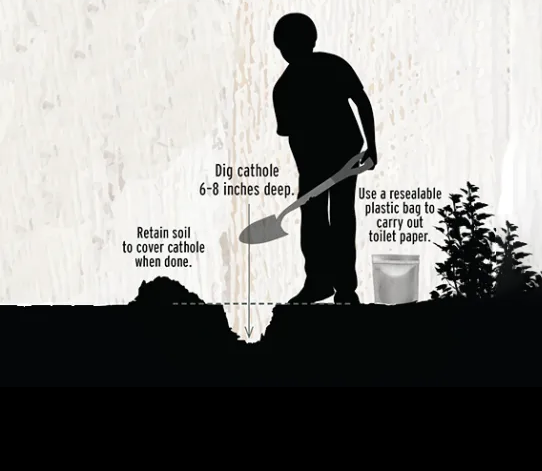
Figure 5. A descriptive illustration of how to dig a cathole.
Human and Pet Waste Management
The following tips outline how to properly manage human and pet waste to protect natural resources and ensure a clean, healthy environment for all visitors.
- Use restrooms at trailheads or developed sites when possible. Otherwise, use the cathole method: dig a 6 to 8 inch hole 200+ feet from water, trails, and campsites, then cover it with natural soil (Figure 5).
- Don't leave waste or toilet paper on the ground; avoid burying waste in shallow or rocky soil. Pack out toilet paper and hygiene products in a sealed bag. Don't bury them; animals may dig them up.
- Check out the Waste Management in the Grasslands and Practicing Leave No Trace While in the Grasslands.
Code of Federal Regulations (CFR): Camping in the Grasslands

To protect everyone and the land, the Code of Federal Regulations (CFR) sets the rules for camping in the grasslands. Ignoring these regulations can cause wildfires, injuries, land damage, or result in fines. These key CFR and Forest Service policies keep camping safe and sustainable in the grasslands.
Camping in the Grasslands

Experience the raw beauty of the grasslands with a stay at one of our 13 developed campgrounds located within the Little Missouri and Sheyenne National Grasslands.
Horse Riding and Camping

The Dakota Prairie Grasslands provide excellent opportunities for horseback riding and camping. Visitors can choose from developed campgrounds, dispersed camping sites, and designated horse trails.
Campfires in the Grasslands

Building campfires and using fire are permitted while dispersed camping on the Dakota Prairie Grasslands, but only when certain safety conditions are met.
Travel and Vehicle Safety in the Grasslands

When traveling or recreating on national grasslands, responsible vehicle use helps protect fragile landscapes and reduce wildfire risk.
Protecting Water Quality in the Grasslands

Water can quickly become polluted by waste, soap, and other contaminants. Do your part to protect grassland habitats—and help keep our streams, ponds, and wetlands clean and safe.
Waste Management While in the Grasslands

Proper human and pet waste and sanitation management is essential to protecting the grassland habitat, especially in dispersed camping areas without facilities.
Practicing Leave No Trace While in the Grasslands

Practicing Leave No Trace helps keep the Dakota Prairie Grasslands healthy and enjoyable for everyone who visits.
Potential Area Access Restrictions in the Grasslands

While the Dakota Prairie Grasslands are generally open to dispersed camping, certain areas may be temporarily restricted or closed.