Although we’re more than halfway through summer, there is still plenty of warm weather left to get out and enjoy your national forests and grasslands! We’ve got 154 national forests and 20 national grasslands to choose from, with options like hiking, camping, fishing, rafting, and even barbecue and picnicking available.

Plan ahead!
Your national forests and grasslands provide a natural arena for a wide variety of fun and exciting outdoor activities. A best practice is to know before you go, check the status of the place you want to visit for closures, fire restrictions, and weather—sometimes that may mean calling the nearest ranger station to get the most accurate information. Plan ahead and be prepared by downloading maps, researching closures or hazards. The beauty and peacefulness of the forest may make you feel carefree, but please remain vigilant for potentially dangerous situations.
Speaking of planning, remember that if you’re considering a visit, especially an overnight stay, many others are likely thinking the same thing, so don’t wait until the last minute to make reservations! For those wishing to sleep under the stars, many forests offer campgrounds that operate on a first-come, first-served basis or offer some reserve-only sites made available through Recreation.gov. Most forests also offer unique camping experiences through dispersed sites, also referred to as primitive campsites. These sites lack amenities but offer greater solitude and different settings than the developed campgrounds. Some destinations require a special permit for access, and can be found using Motorized Vehicle Use Maps, available for free at your nearest national forest.

Only You Can Prevent Wildfires!
Did you know that nearly nine out of 10 wildfires are human-caused and can be easily prevented? When planning your visit, be sure to check for fire restrictions in your area.
If there are no fire restrictions at your destination, always use existing fire rings when available. Make sure to thoroughly extinguish your fire using the drown, stir, and feel method, and dispose of ashes in designated areas. When in doubt, follow Smokey Bear’s fire prevention how-tos!

Lend a Hand, Care for the Land!
Woodsy Owl reminds you to keep the areas you visit clean. Preserve the same gorgeous views for future visitors by following responsible camping practices.
Leave campsites as you found them by packing out trash and leftover food. Respect the land, water, wildlife, and Native communities by following the seven Leave No Trace principles. These guidelines offer essential tips for anyone exploring nature and can be applied anywhere. Check out topics like disposing of waste, respecting wildlife, leaving what you find, and more.

Stay safe!
Waterways and bodies of water provide an exciting and fun way to enjoy the outdoors. Water safety, from a small forest stream to a wild and scenic river or lakefront beach, is an important and sometimes life-saving responsibility for everyone—even the most seasoned of water enthusiasts can be surprised by changing water conditions. Heat safety is another prevalent issue when recreating outside; bring lots of water, wear sun protection, and schedule your activities for earlier or later in the day.
Did it even happen if it’s not on the Gram? National forests and grasslands offer some of our country's most breathtaking views. To ensure safety, use smart photography practices and common sense to capture those social media moments: stay on the trail and behind the guardrail, do not approach wildlife, adhere to posted safety warnings, and be courteous to fellow visitors. Do not put your life at risk for a picture.
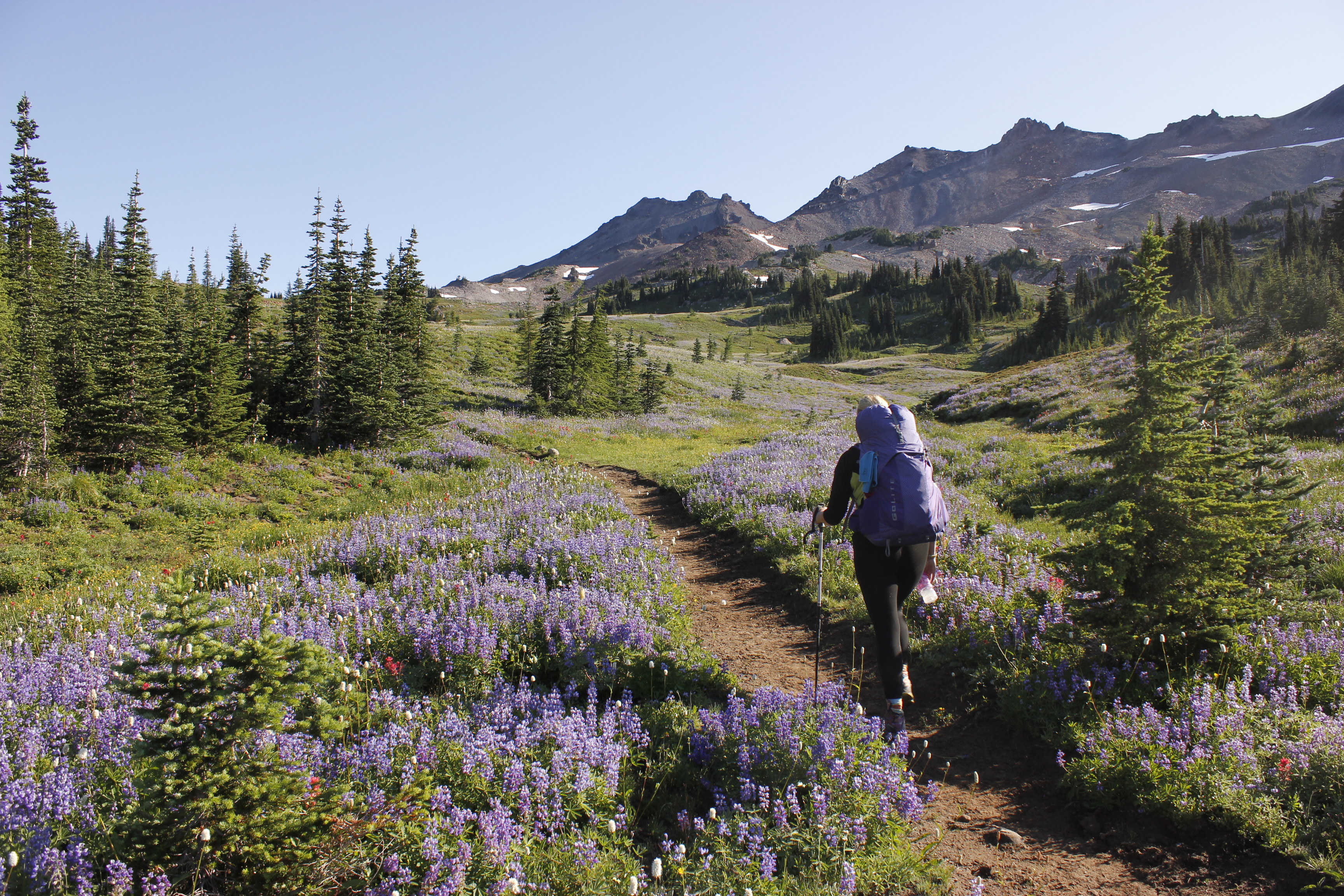
Not just a guideline, but a commitment
We here at the USDA Forest Service love our national forests and grasslands, and we also love sharing them with you. We want you to enjoy these spectacular places for many generations to come, and recreating responsibly helps that happen.
Subscribe to our newsletter to keep up with all Forest Service feature stories!