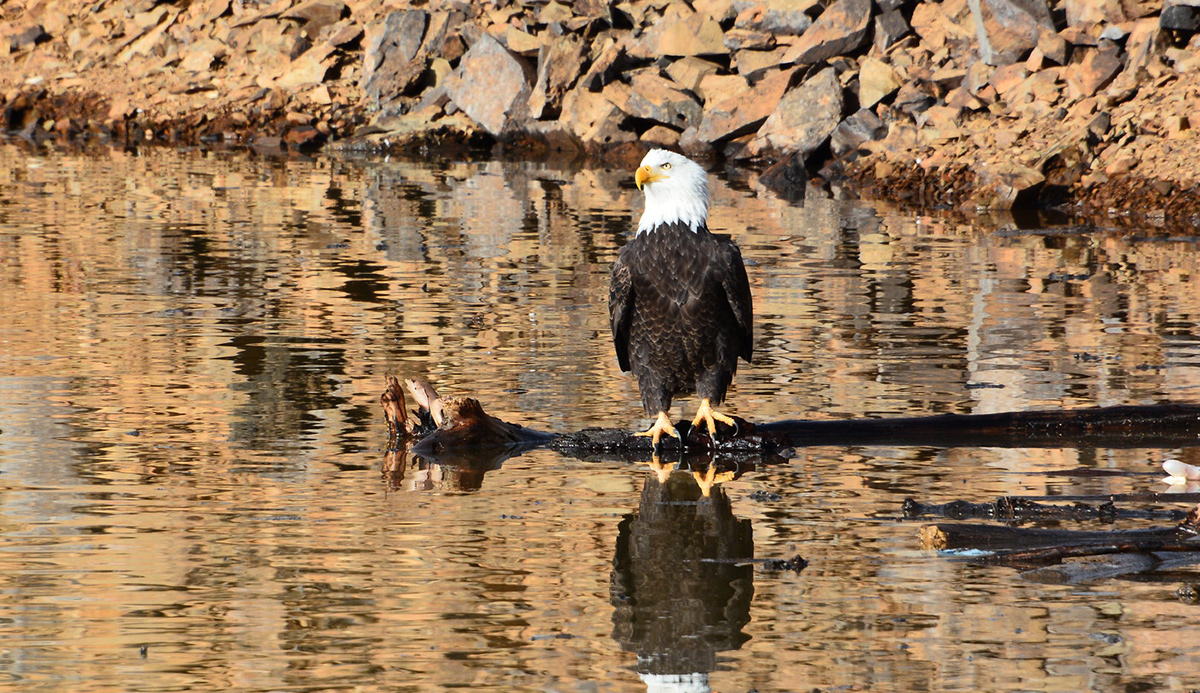

Ever marvel at a flash of color zipping across the trail in front of you, then frantically scrolled the internet to identify the winged wonder? You are not alone. It’s the bird’s world, after all. We’re just living in it.
Make a 7,000-mile nonstop flight for migration not once but TWICE a year? No problem. Literally walk on water? No big deal. Birds are incredible. Not just for the way they blow our minds with their fascinating behavior but also for all the wonderful ways they make us feel.
Think of your amazement after watching an osprey effortlessly pluck a fish out of the water or the peaceful echoes of a hermit thrush singing in the forest. It’s not surprising that folks from all walks of life find themselves yearning to make the jump from casual observer to full-fledged bird nerd.
So, just how do you get started birding? Perch up and stay awhile. Here’s what you’ll need to take flight.

Where to Find Your New Feathered Friends
Birding is a hobby you can take just about anywhere because birds are everywhere. The possibilities are endless!
If you’re like me and your first word was “bird,” you share the same fascination with all things avian. That’s how I find myself on the Plumas National Forest searching for new feathered friends.

Hiking the Cascade Trail on the Mt. Hough Ranger District of the Plumas National Forest yields a wide variety of forest dwelling birds — such as tanagers, warblers and woodpeckers. I hike the trail searching high and low to spot birds in the tree canopy while others forage in leaf litter on the forest floor. If you rest along the Feather River, be sure to scour the rapids below in search of North America’s only aquatic songbird — the American dipper (Cinclus mexicanus).
What about other bodies of water like lakes? Antelope Lake, also located on the Mt. Hough Ranger District, is a great location to find ducks, grebes and geese. Although birds swimming out in the open may be easy to spot, take time to scan the shallows and the lakeshore where wading birds and shorebirds like egrets, herons and sandpipers prefer to hunt.

Along the edges of reeds and other vegetation, I observe ripples that mark the passing of soras and rails that occasionally sneak into view. And diving into the water from above are expert anglers like kingfishers and ospreys.
For a change of scenery and bird life, visit Butte Valley National Grassland to search for pops of feathered color in the muted shrub-steppe habitat. It’s always a fun birding challenge here. I find mountain bluebirds (Sialia currucoides) perched atop the sagebrush, bearing witness to a living dinosaur that has called these lands home for millions of years — the incredible sandhill crane (Antigone canadensis).
The grassland is also home to shrikes, larks and sparrows. Planning ahead and packing a picnic dinner buys some extra time on the grasslands to bird at dusk. That’s when northern harriers (Circus hudsonius) and short-eared owls (Asio flammeus) emerge to hunt over the landscape.
Another great option for a change in scenery with a tropical twist is the beautiful island of Hawai’i. On land scout for birds that can only be found on the Hawaiian Islands such as the nene (Branta sandvicensis), Hawai’i’s state bird, and a stunning little honeycreeper called the ‘apapene (Himatione sanguinea).
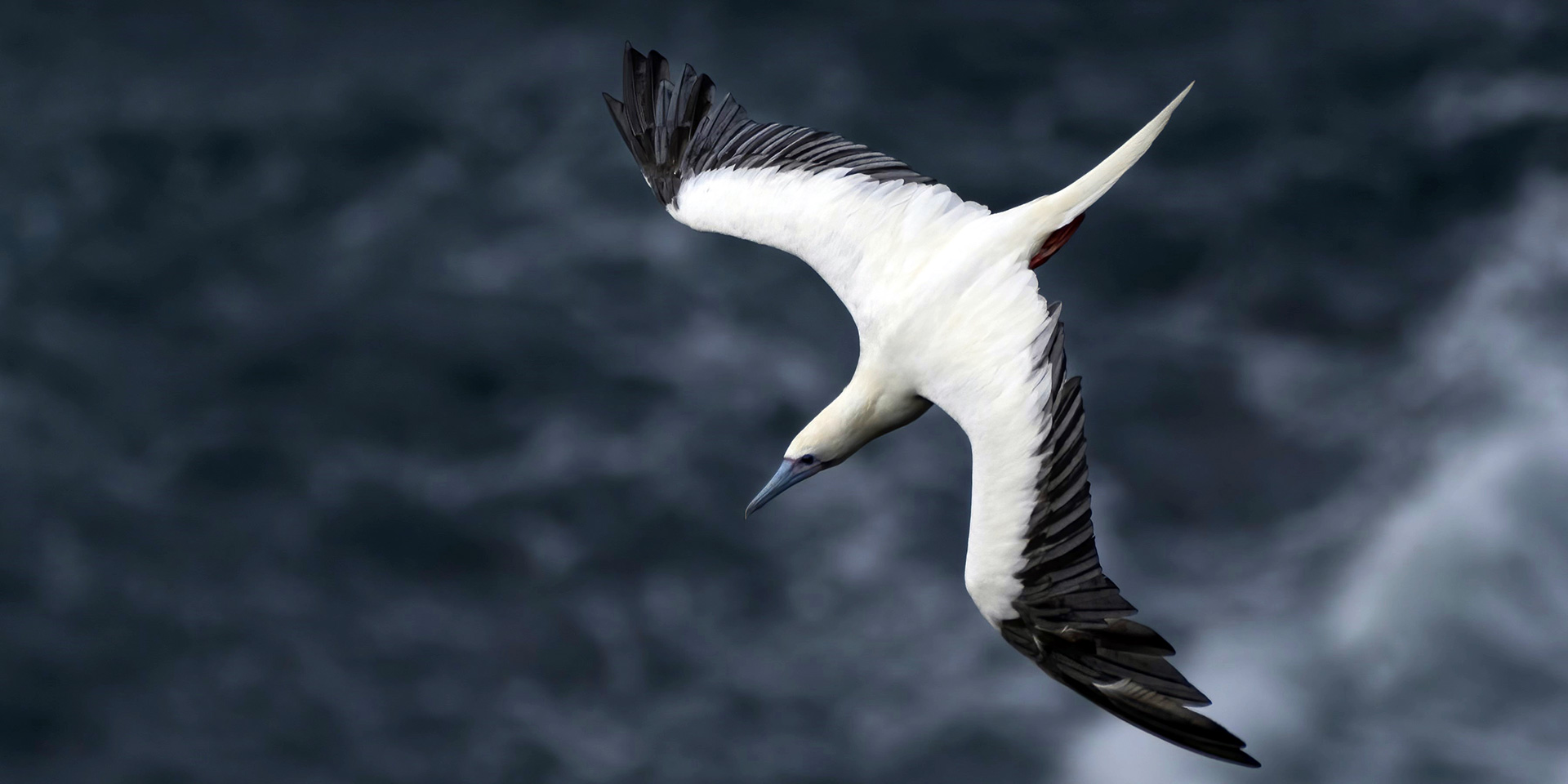
Along the shore watch for foraging plovers, tattlers and turnstones. And as you scan the skies above say aloha to incredible seabirds such as frigatebirds, boobies and tropicbirds. You might even get lucky and spot one of the so-called lost birds, species that haven’t been seen for a decade on up to a century ago. In Hawai'i alone there are six native species on the lost birds list.

Tools of the Trade — Apps, ID Guides, and Gear
Remember that flash of color on the trail that led you to this new hobby? It’s time to get a field identification guide to help you solve that mystery. Guides come in a wide variety of shapes and sizes — ranging from pocket guides to heavy hardcover books, to apps for your phone. Visit your local bookstore or library, check out their nature section, and try out those guides. A quick search online will also yield results, such as articles ranking top field guides for the intrepid birder.
Websites and apps are also a great source of support for birding. The Cornell Lab of Ornithology’s All About Birds website is a free and fantastic resource with information about hundreds of North American birds. They include identification details, life history traits, maps showing the bird’s range, and sound recordings. This site also offers online classes to improve your identification skills.
The Merlin Bird ID app, also created by the Cornell Lab of Ornithology, can be useful with photos and sound recordings that you upload or take in real time. The app produces a list of possible birds you encountered, based on the media you provide and your regional location.
Keep in mind, results may not always be accurate and should be carefully considered before reporting your avian sightings to any citizen science applications such as eBird or iNaturalist. These sites offer the public opportunities to conduct scientific research by adding your observations to a large-scale data collecting effort.
And don’t forget to try out eBird’s quizzing tools to reinforce your bird ID skills through visuals and sound.

Plus, a bit about gear. You’ll likely need some optical assistance to get a good look at your subjects. Don’t get me wrong — birds are a beautiful sight even from afar. But positively identifying birds may prove to be challenging without some basic gear like binoculars to bring birds closer in view.
Binoculars come in a wide range of prices to fit just about any budget. When shopping for a pair that works best, search for binoculars that offer a wider field of view, such as 7- or 8-power binoculars. Also consider weight and size. Bird watchers often opt for a pair that are more compact and lightweight when tracking birds in flight or on the move.
Many birders also find spotting scopes to be a useful tool. Although a tripod can be a bit unwieldy, they typically extend your optic reach to spot birds that may be otherwise out of your range even with binoculars.

Birding Ethics 101
Birding brings all the feels and it’s easy to get swept up in the moment when you see something that really excites you. Trust me — we’ve all been there, and we get it. But please remember to extend the utmost respect to birds when you’re out observing them. Help ensure they feel safe in their environment. Especially if you’ve stumbled upon on an active nest or food source.
If you’re photographing birds, a telephoto lens is a great way to get that “up close" shot without encroaching on your subject. You can avoid stressing birds by giving them plenty of space and enjoying them from a respectful distance. Hint: This is where a good pair of binoculars comes in handy.

You can also help to support birds by staying on established trails, so as not to disturb the habitat and environment around you. It is their home after all. Baiting or luring birds is also a harmful practice. Bottom line — birds are friends, so remember to treat them as such.
Birds of a Feather Flock Together
Birding isn’t just a hobby to enjoy solo. There are plenty of likeminded bird brainiacs out there for you to connect with. Check out the National Audubon Society for local bird walks, festivals and other events open to club members and the public. These activities are great social opportunities but are yet another way to keep leveling up your bird knowledge.